This article is not medical treatment. If anxiety feels severe or unsafe, please seek support from a qualified health professional.
In modern life, anxiety, poor sleep, and emotional fatigue can become familiar. The mind keeps running, the body stays tense, and rest does not always come easily.
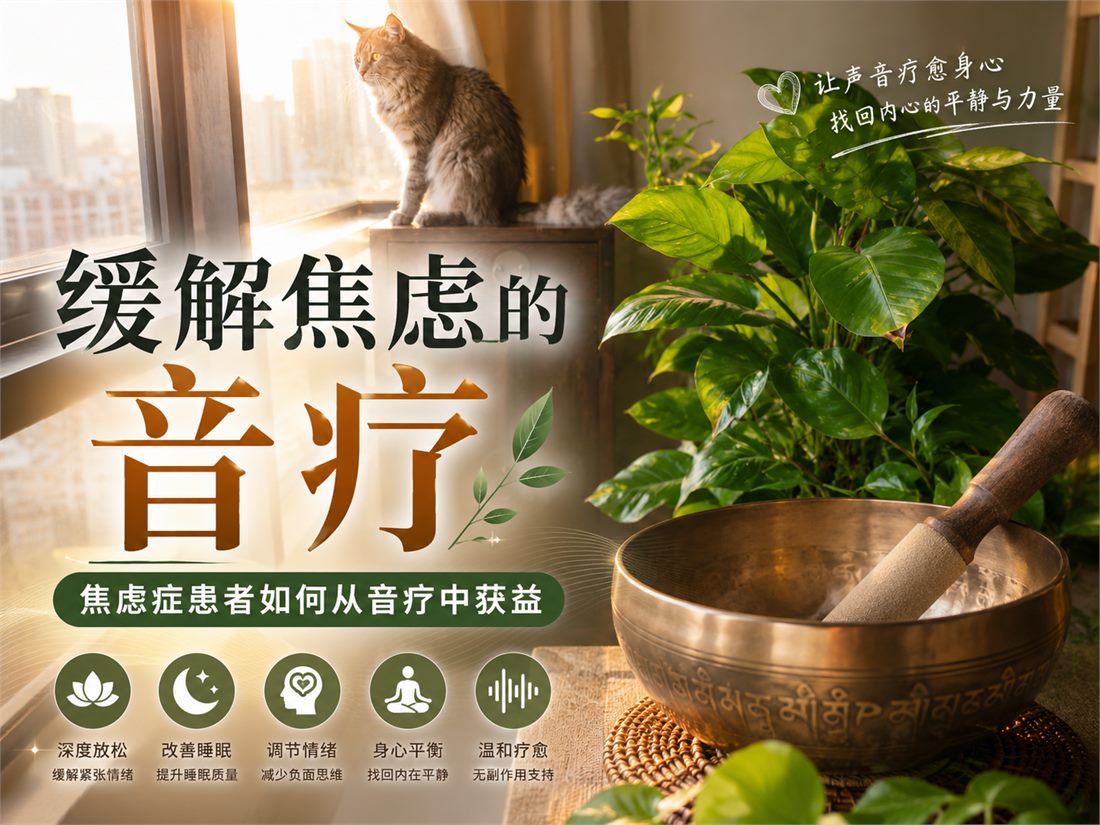
Sound therapy, especially singing bowl listening, is one gentle way some people use to create a pause. It does not replace professional care, but it may support restorative self-care and a calmer relationship with the body.
What sound therapy can offer
Sound therapy uses tone, vibration, rhythm, and silence to support relaxation and awareness. With singing bowls, the listener is invited to follow the sound as it appears, expands, and fades.
This simple act can help attention move away from repetitive thoughts and back toward direct listening. For some people, that shift makes the nervous system feel less crowded.
Why singing bowls feel calming
Singing bowls create layered overtones and a long fading tail. The sound gives the mind something steady to rest on. Instead of fighting thoughts, we listen. Instead of forcing calm, we let the body gradually settle.
Some people feel warmth, heaviness, tears, spaciousness, or sleepiness. These responses are personal and should not be judged as good or bad.
Awareness matters after the sound
Relaxation during a session is meaningful, but daily life still matters. If the same stress patterns continue without pause, the body may return quickly to tension.
ZUDEN's approach connects sound with awareness. After listening, we ask: What is my body telling me? What needs to slow down? Which pressure is real, and which pressure comes from habit?
A gentle practice
Choose a soft bowl track. Sit or lie down comfortably. Let the sound be enough. If thoughts appear, notice them and return to listening.
At the end, take one slow breath and name one thing you can do today to make life feel slightly less pressured.